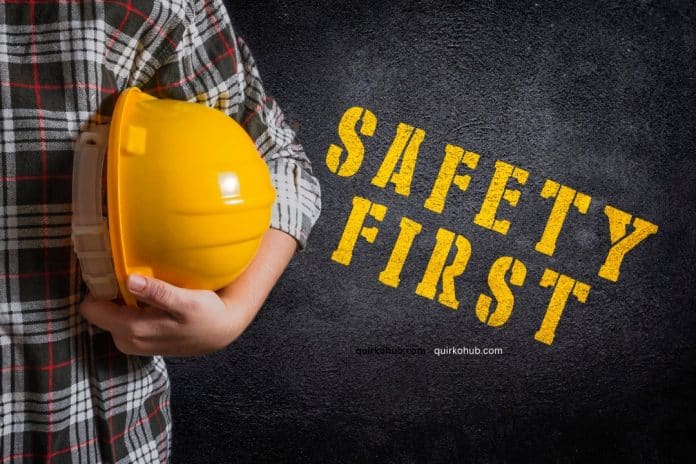
Staying safe isn’t always about huge rules or complicated instructions. A lot of the time, it comes down to paying attention to the little details and using the right tools at the right time. Safety isn’t just for construction sites or labs—it matters everywhere. From school workshops and weekend projects to busy jobs with heavy equipment, smart choices protect your body and keep your day running smoothly.
The Role of Clear Vision in Everyday Safety
One of the most overlooked parts of staying safe is vision. Eyes guide every move—whether it’s lifting a box, handling a machine, or even crossing a street. When vision isn’t sharp, mistakes happen faster, and small risks turn into bigger problems. That’s why having the right eye protection is more important than most people realize.
For people who already wear glasses, regular frames don’t always cut it. They might scratch easily, slip when you’re moving around, or fail to block out hazards like flying debris or dust. In jobs where both clear sight and strong protection are needed, prescription safety glasses are a smart choice. They combine vision correction with protective strength, so there’s no need to switch between eyewear or compromise safety.
Why Small Habits Add Up
Most accidents don’t come from rare, freak events. They usually happen because of small things people overlook. Maybe it’s skipping gloves because “it’ll just take a second,” or leaving safety gear in a locker because it feels uncomfortable. These little shortcuts can be costly.
Wearing proper gear, slowing down when you’re tired, and double-checking tools before using them might sound simple, but they cut down on risk in a big way. It’s the same with eye protection. Even if a task looks harmless, tiny particles, sparks, or chemicals can do permanent damage in seconds. The right habit is to gear up every time, even when it seems unnecessary.
Making Safety Part of Work Smarts
Being safe isn’t just about following a checklist. It’s about working in a way that saves energy, prevents mistakes, and avoids stress later on. This is where “working smarter” comes in. Taking ten seconds to put on protective glasses, stretch before lifting, or clear clutter from a workspace may feel small, but it saves hours of recovery from injuries.
Think about how athletes prepare before a game. They don’t just show up and start sprinting. They warm up, wear the right gear, and focus on their surroundings. Work and daily life aren’t much different. Preparing with the right habits keeps the body ready and prevents problems before they start.
Comfort and Safety Go Together
A common excuse for skipping protection is discomfort. Some people find safety glasses too tight or gloves too bulky. But today’s protective gear is made with comfort in mind. Glasses come with lightweight frames, anti-fog coatings, and wrap-around styles that don’t slip during active work. Gloves are designed to fit snugly while still letting fingers move freely. Helmets and ear protection now have adjustable padding that makes long wear much easier.
When gear feels natural to wear, people are more likely to keep it on. That’s why choosing the right fit matters just as much as following the rules. If something feels wrong, it usually means there’s a better option available. Safety doesn’t have to mean sacrificing comfort.
The Hidden Dangers of Skipping Steps
Not every hazard looks dangerous at first. A tiny wood chip can cause weeks of eye pain. A chemical splash can leave lasting marks. Loud sounds might not hurt immediately, but over time, they can damage hearing forever.
The challenge is that these dangers don’t always show up right away. This makes it easy to think “nothing happened last time, so it’s fine.” But small risks build up. Working smarter means not waiting for the damage to show before taking action. Prevention is always easier than recovery.
Safety Beyond the Workplace
These habits don’t stop at work. Everyday activities bring their own risks. Yard work, cycling, or even setting up holiday lights all come with potential hazards. Protective eyewear, gloves, and helmets aren’t only for job sites—they’re useful at home too.
For example, mowing a lawn without glasses seems harmless until a rock flies up from under the blade. Riding a bike without a helmet feels freeing until a small slip on gravel causes a fall. Simple gear that takes seconds to put on can make the difference between a close call and an emergency room visit.
Building a Mindset That Lasts
The best way to stay safe isn’t by memorizing dozens of rules. It’s about building a mindset where safety becomes natural. Instead of asking, “Do I really need this?” the smarter question is, “Will this make the job safer and easier?” With time, the decision to wear glasses, gloves, or other protection becomes automatic.
Leaders and coworkers also play a role. When everyone in a group treats safety gear as normal, it becomes part of the culture. Younger workers or kids learn by watching others, and seeing safety taken seriously encourages them to follow the same path.
Key Takeaways
Working smarter and staying safer is about combining awareness with action. Clear vision, comfortable gear, and simple habits make accidents far less likely. Choosing the right protection isn’t extra effort—it’s part of doing a job well and avoiding unnecessary risks.
The small decisions made each day—like putting on protective glasses before a quick task or keeping gloves on while handling rough materials—are what keep injuries from happening in the first place. When safety feels natural, it’s not just about avoiding harm; it’s about working with more focus, confidence, and peace of mind.

