
Olive oil has long been celebrated as one of the healthiest and most versatile staples in kitchens around the world. Rich in antioxidants, heart-healthy fats, and bold flavor, it is the cornerstone of Mediterranean cuisine and an important ingredient for anyone seeking to cook nutritious and satisfying meals.
But not all olive oils are created equal. Using fresh, high-quality oil and learning how to incorporate it properly can transform ordinary dishes into something extraordinary. Here are some tips for cooking with fresh olive oil to maximize both health and flavor.
Choosing the Right Olive Oil
The first step in cooking with olive oil is knowing how to choose the right kind. High-quality extra virgin olive oil (EVOO) should be your go-to option for both raw applications and light cooking. Fresh EVOO has a fruity aroma, a peppery finish, and a vibrant green-gold hue. These characteristics enhance flavor and signal the presence of beneficial polyphenols and antioxidants.
When shopping, look for harvest dates on the label, as olive oil is best consumed within 12 to 18 months of pressing. Avoid bottles stored in clear glass or under bright lights, since exposure to heat and light can degrade quality. If possible, sample different oils to discover the flavor profiles you prefer, ranging from grassy and bold to smooth and buttery.
Exploring Unfiltered Olive Oils
For an even more robust culinary experience, consider unfiltered varieties. These oils retain tiny particles of olive flesh, giving them a cloudier appearance and more intense flavor.
Many chefs and home cooks seek them out for their authenticity and nutritional richness. You can find excellent options from olive oil providers such as frantoiogrove.com, which specialize in fresh, small-batch oils that deliver superior taste and health benefits. Unfiltered oils are best enjoyed in raw applications, such as drizzling over salads, finishing grilled vegetables, or dipping with fresh bread.
Their complex flavor makes them a star ingredient rather than just a cooking medium. Because unfiltered oils can have a shorter shelf life, it’s wise to purchase smaller quantities and use them promptly to enjoy their freshness at its peak.
Cooking With Heat, Know the Limits
A common misconception is that olive oil should never be used for cooking at higher temperatures. In reality, high-quality extra virgin olive oil has a smoke point of around 375–410°F, which is suitable for sautéing, roasting, and even shallow frying. The key is to avoid letting the oil overheat, as this can degrade flavor and beneficial compounds.
For high-heat cooking methods like deep frying, refined oils with higher smoke points may be better suited. For everyday tasks like stir-frying vegetables or roasting potatoes, olive oil performs beautifully while enhancing both taste and nutrition. Monitoring heat carefully and using moderate temperatures ensures the best results.
Pairing Olive Oil With Foods
Pairing olive oil with the right foods is another way to elevate your cooking. Bold, peppery oils work well with hearty dishes like roasted meats, tomato-based sauces, and bitter greens, where their punchy flavor can stand up to strong ingredients. Milder, buttery oils are perfect for delicate foods like fish, eggs, or fresh mozzarella, where subtlety enhances without overwhelming.
Experimenting with different oils for different dishes allows you to showcase the diverse range of flavors olive oil can provide. Think of it like pairing wine with meals, choosing the right match enhances the dining experience.
Storing Olive Oil for Freshness
To get the most from your olive oil, proper storage is important. Olive oil should be kept in a cool, dark place away from direct sunlight and heat sources such as stoves. Dark glass or tin containers are best, as they help protect the oil from light exposure. Once opened, aim to use the oil within a few months to preserve its flavor and health benefits.
Avoid storing olive oil in the refrigerator, as this can cause condensation and alter its consistency. Instead, buy smaller bottles that you can finish quickly, ensuring you’re always cooking with fresh oil rather than letting large quantities go stale.
Using Olive Oil Beyond Cooking
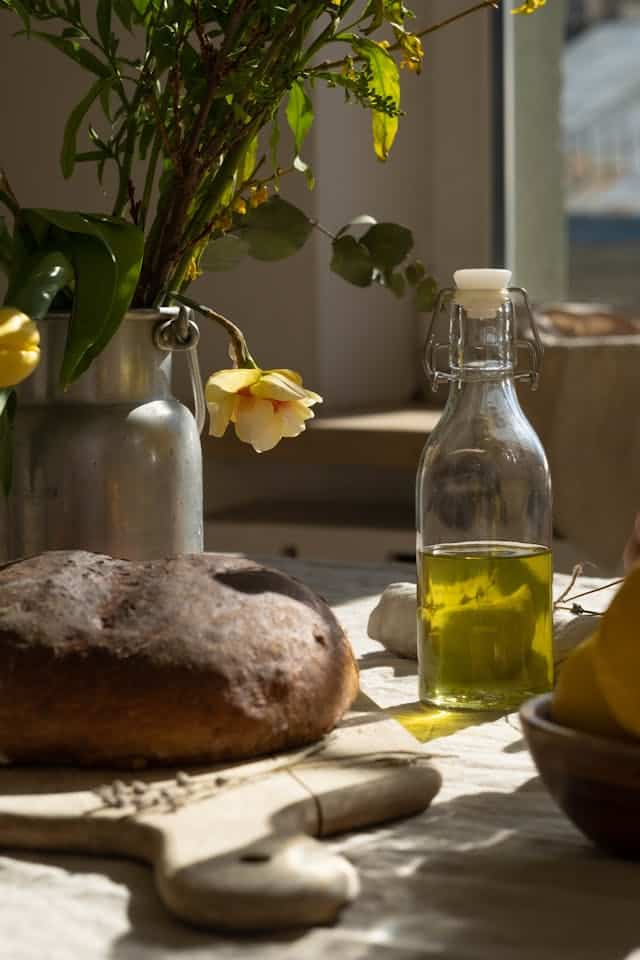
Olive oil’s versatility extends well beyond the stovetop. It can be whisked into salad dressings, blended into pestos, brushed onto bread before toasting, or drizzled over soups for a finishing touch. Its richness makes it an excellent substitute for butter in many baking recipes, offering a healthier alternative while imparting subtle flavor.
Olive oil can enhance presentation and mouthfeel. A final drizzle over grilled fish or freshly made hummus adds visual appeal and boosts flavor in every bite. Learning to treat olive oil as both an ingredient and a finishing touch allows you to unlock its full culinary potential.
Fresh olive oil is more than just a kitchen staple, it’s a powerhouse of flavor and nutrition that can elevate everyday meals. Choosing the right oil, experimenting with unfiltered options, understanding heat limits, and pairing varieties with specific foods are all ways to maximize its potential.
By sourcing high-quality products from trusted makers home cooks can enjoy authentic taste and health benefits in every dish. With proper storage and creative use, olive oil becomes not just an ingredient, but an important tool for flavorful, healthy cooking that enhances every meal.

