In 2024, U.S. employers in high-risk industries like construction, manufacturing, and oil and gas face a harsh reality: workplace accidents are still alarmingly common despite existing training efforts. According to the Bureau of Labour Statistics, over 2.8 million nonfatal workplace injuries and illnesses were reported in 2023 alone, many linked to preventable errors in hazardous environments. The stakes are high, and human error is a leading cause.
But what if the problem isn’t just the worker, it’s the training? Traditional safety training methods often fail to engage employees or replicate real-life danger. That’s where technology-driven safety training steps in. From immersive VR simulations to wearable sensors and real-time data analytics, tech-driven training is not just a futuristic concept it’s already reshaping how we prepare workers for the world’s most dangerous jobs.
So, can this digital shift reduce accidents and save lives? Keep reading to explore how technology is not only changing how we train, but also how we protect.
How is technology transforming safety training?
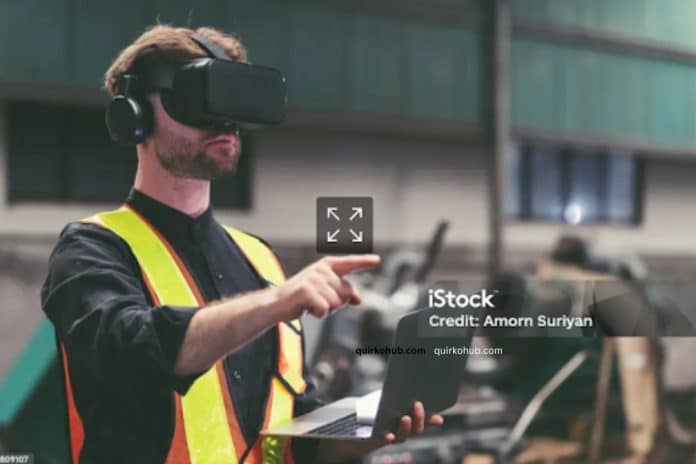
Technology is revolutionizing safety training by making it more immersive, data-driven, and personalized, three factors that traditional methods often lack. Instead of passive slide decks or lectures, today’s training uses Virtual Reality (VR) and Augmented Reality (AR) to place workers in simulated high-risk environments where they can safely practice responses to hazards like chemical spills, confined space entry, or equipment malfunctions. A 2024 study by the National Safety Council found that VR-based training improved hazard recognition performance by 43% compared to traditional methods.
Immersive and experiential learning through VR and AR
VR and AR allow trainees to experience realistic job-site scenarios without the danger. This builds muscle memory, improves decision-making under pressure, and bridges the gap between theory and practice. Workers can repeat scenarios until mastery, all in a safe, controlled setting.
Real-time Feedback from Wearable Technology
Smart helmets, biometric sensors, and environmental monitors track vital signs, location, gas levels, and fatigue in real time. These tools provide immediate alerts to workers and supervisors, reinforcing training principles and promoting safe behaviour even after the course ends.
Personalized Learning Through AI-driven Platforms
AI-powered learning systems assess a worker’s performance and risk profile, then tailor content accordingly. For example, if someone underperforms in recognizing respiratory hazards, the platform will push targeted microlearning modules to address that gap, making the training smarter, not just longer.
This isn’t just a tech upgrade, it’s a shift toward precision safety training that evolves with the workforce and the risks they face.
Examples of Improved Safety through Latest Technology
Technology isn’t just promising, it’s proving results on the ground. Across high-risk industries, companies are seeing measurable safety improvements after integrating advanced tools into their training and operations.
Construction: Fewer Falls with Wearable Alerts
In 2024, a major construction firm in Texas implemented wearable proximity sensors that alert workers when approaching unprotected edges or restricted areas. Within six months, the site reported a 60% reduction in near-miss fall incidents. These wearables and daily digital safety briefings reinforced spatial awareness and situational decision-making.
Oil & Gas: VR Prevents Real-World Errors
An offshore drilling company introduced VR-based emergency response training to simulate high-pressure scenarios like gas leaks or blowouts. Unlike classroom instruction, VR allowed workers to interact with virtual equipment under simulated stress. Post-training evaluations showed a 38% improvement in response time during real-world drills, giving workers both confidence and competence in handling critical situations.
Manufacturing: AI Reduces Repetitive Strain Injuries
A Midwest automotive plant rolled out AI-driven ergonomic assessments using computer vision to monitor repetitive tasks. When the system identified risky movements, it automatically triggered micro-courses and adjusted workflows. Within a year, the plant saw a 45% decrease in reported musculoskeletal disorders, a major win for both productivity and worker health.
Mining: Real-Time Gas Monitoring Saves Lives
In underground mining, miners now wear Iot-enabled gas detectors and connect them to centralised dashboards. These devices send real-time alerts when gas levels spike, enabling faster evacuations. A mining site in Nevada credited this system for preventing what could have been a fatal hydrogen sulfide exposure in January 2024.
These aren’t future predictions they’re today’s success stories. By embracing the right technologies, companies are reducing incidents and actively building a culture of smarter, more responsive safety.
Common barriers to Adopting Safety Technology at Workplaces
While safety technology offers clear benefits, many organizations still face practical hurdles that slow down adoption.
1. High Upfront Costs and Budget Constraints
Advanced tools like VR simulators, wearable tech, or AI platforms often come with significant initial investment. For small to mid-sized companies, this cost can be a deterrent—even if long-term savings are likely.
2. Resistance to Change Among Workers
Some employees are hesitant to trust or use new technology, especially if they’re accustomed to traditional methods. Lack of digital literacy or fear of job surveillance can create pushback during implementation.
3. Integration Issues with Existing Systems
New technology must align with current workflows, data management systems, and safety protocols. If tools aren’t interoperable or require complex setup, adoption slows down or fails altogether.
4. Inadequate Training for New Tools
Introducing tech without proper onboarding leads to misuse or underuse. Workers need hands-on, role-specific training to understand the tool’s value and function in real scenarios.
5. Data Privacy and Compliance Concerns
Wearables and AI tools often collect sensitive data. Employers must ensure this data is protected, used ethically, and compliant with regulations like OSHA or GDPR, depending on the region.
Overcoming these barriers requires leadership commitment, clear ROI communication, and selecting solutions that are scalable and user-friendly from day one.
Why Digital Safety Training is the Future of Workplace Safety
Digital safety training is rapidly becoming the industry standard because it delivers scalable, measurable, and adaptable solutions that traditional methods can’t match.
1. Accessible Anytime and Anywhere
Online platforms allow workers to complete on-site, off-site, or remotely, training, reducing downtime and ensuring compliance even in distributed teams or shift-based operations.
2. Real-Time Updates and Compliance Tracking
With changing OSHA regulations and industry-specific standards, digital platforms can instantly update content and automate tracking of certifications, reducing the risk of outdated training or non-compliance.
3. Data-Driven Decision-Making
Digital tools collect training performance metrics, incident data, and engagement levels. This enables safety managers to identify gaps, personalize retraining, and focus on high-risk areas, something paper-based methods can’t deliver.
4. Cost-Effective Over Time
Though initial setup may require investment, digital training eliminates recurring costs like printed materials, instructor travel, and physical classrooms. It also reduces costs associated with injuries and regulatory fines.
5. Supports a Proactive Safety Culture
Digital platforms allow for continuous learning, microlearning modules, safety refreshers, and real-time hazard updates, creating a workforce that’s always prepared, not just periodically trained.
In a fast-evolving work environment, digital safety training isn’t just a trend; it’s a necessary upgrade for staying compliant, competitive, and committed to worker protection.
Conclusion
As workplace hazards grow more complex, how we prepare for them must evolve too. Technology-driven safety training isn’t about replacing people but empowering them with better tools, real-world simulations, and smarter insights. It bridges the gap between awareness and action, helping workers learn safety protocols and live them daily.
The bottom line? The future of safety lies in innovation. Companies that embrace this shift are not only protecting their teams, they’re setting a new standard for what it means to care about workforce well-being truly.
Ready to move beyond outdated safety manuals? It’s time to explore digital training solutions that meet the demands of today’s hazardous workplaces and prepare for tomorrow’s challenges.

