
Floating platforms have revolutionized various industries, providing adaptable solutions that cater to both marine and construction applications. With the growing demand for effective water-based structures, customizable floating platforms serve as an essential component. These platforms are not only versatile but are also engineered to withstand challenging environments, making them ideal for multiple uses. From facilitating construction projects over water to enhancing recreational areas, understanding the features of these platforms will shed light on their critical role in today’s industry.
Understanding the Basics of Floating Platforms
Floating platforms are structures that remain buoyant on water surfaces, enabling various functionalities. They are typically constructed using durable materials that provide strength and stability against wave action and environmental factors. Depending on their intended use, these platforms can be designed to support significant loads while maintaining safety standards.
The customization options available allow industries to tailor floating platforms to their specific needs. Whether the requirement is for additional buoyancy, specific dimensions, or other features, the versatility in design is a significant advantage. Companies can build floating platforms that integrate seamlessly into their operational requirements, thus saving time and maximizing efficiency.
Applications of Customizable Floating Platforms
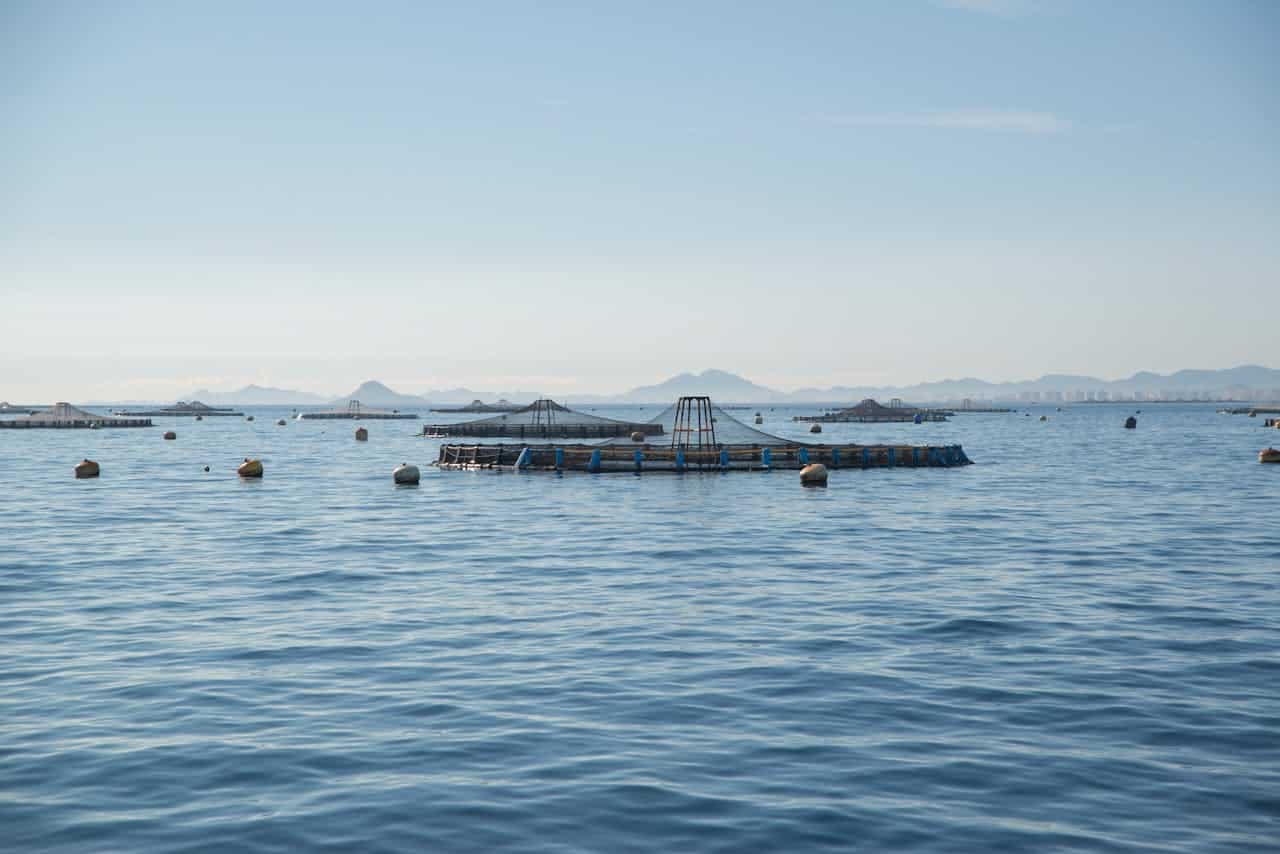
The applications of customizable floating platforms span a wide range of industries, showcasing their versatility. In marine settings, they can be used for docking systems, floating bridges, and aquaculture. Pipe floats, specifically designed to support and transport large pipes or other long materials across bodies of water, are also critical in various industrial applications, such as underwater pipeline construction.
You can click here for more information on pipe floats and how they can be integrated into your project. For construction, these platforms are invaluable for temporary bases when working on water-related projects, such as bridges or waterfront developments. These platforms are particularly useful in areas where traditional land-based solutions are impractical.
Benefits of Using Customizable Floating Platforms
Investing in customizable floating platforms offers numerous advantages that are worth considering. Firstly, they can be adjusted according to specific project requirements, making them suitable for diverse applications. Their modular nature means that platforms can be expanded or reconfigured as project needs change. Secondly, these platforms often employ environmentally friendly materials, which lower overall ecological impacts.
Companies prioritizing sustainability will find floating platforms to align with their goals, as they are less likely to disrupt marine ecosystems during installation or operation. The deployment of floating platforms can significantly reduce costs associated with construction. They eliminate the need for extensive land preparation, which can be both time-consuming and resource-heavy. Consequently, projects can progress more efficiently, leading to shorter timelines and reduced labor costs.
Engineering Challenges and Solutions
Despite the benefits, there are engineering challenges associated with floating platforms. Designing them to withstand varying weather conditions, such as high winds or heavy rains, is crucial. The buoyancy of the platform must be carefully calculated to ensure stability under all conditions. Ensuring that the materials used can endure corrosion from saltwater environments is vital, especially for prolonged marine applications.
To overcome these challenges, engineers are focusing on advanced materials and innovative designs that enhance the durability and resilience of floating platforms. Materials such as high-density polyethylene and aluminum are becoming popular choices due to their lightweight and corrosion-resistant properties. Technologies such as 3D modeling and simulations enable engineers to predict how platforms will behave under various stresses, ensuring that they meet safety regulations and performance expectations.
Regulatory Considerations
Customizable floating platforms must adhere to various regulations, especially in marine environments. These regulations are primarily implemented to ensure the safety and integrity of marine ecosystems. Local and national rules often dictate how these platforms should be constructed, installed, and maintained. During the planning stages of a project, it is essential to consult with regulatory bodies to ensure compliance. Failure to adhere to these regulations can lead to costly delays and fines. By engaging with the appropriate agencies, companies can navigate the regulatory landscape more effectively and ensure that their projects run smoothly.
Economic Impact of Customizable Floating Platforms
Customizable floating platforms offer substantial economic benefits, particularly in reducing overall project costs. Their adaptability and modular design minimize the need for complex land-based infrastructure, such as roads and bridges, significantly lowering construction expenses. The ability to quickly adjust and reconfigure platforms based on specific project requirements allows businesses to optimize resources and minimize downtime. This flexibility makes floating platforms a cost-effective solution for short-term and long-term projects alike. As industries continue to seek ways to maximize their budget, these platforms stand out as an efficient alternative, driving innovation in cost-saving construction methods.
Integration with Renewable Energy Solutions
The integration of customizable floating platforms with renewable energy technologies is a growing trend. These platforms can support floating solar farms, wind turbines, and other green energy systems, offering a sustainable solution for harnessing energy from water bodies. By positioning solar panels or wind turbines on floating platforms, industries can make use of otherwise unused water surfaces, reducing land-use constraints. These renewable energy systems can be deployed in areas where traditional land-based power generation is not feasible, such as offshore or remote locations. As the push for clean energy intensifies, floating platforms will play a crucial role in advancing sustainable power solutions.
The Future of Floating Platforms
The future of floating platforms looks promising given the advancement of technology and increasing environmental awareness. Innovative materials, combined with smarter design techniques, are enhancing the functionality of these platforms. They are not just becoming more robust and efficient but are also integrating smart technologies, such as monitoring systems that can track environmental conditions.
With the rise of climate change discussions, floating platforms are seen as a proactive solution for adaptive infrastructure. They offer a viable option for overcoming challenges related to rising water levels and changing land-use patterns. As the world looks for sustainable construction methods, floating platforms are poised to play a key role in marine resilience and innovation.
Customizable floating platforms are vital for addressing the diverse needs of marine and construction industries. Their versatile applications extend across various environments, and they present numerous benefits, including cost savings and eco-friendliness. While challenges remain in design and regulation, ongoing innovations are paving the way for future advancements. As industries adapt to changing conditions, the role of floating platforms will grow, contributing further to both efficiency and sustainability in construction and maritime endeavors.

