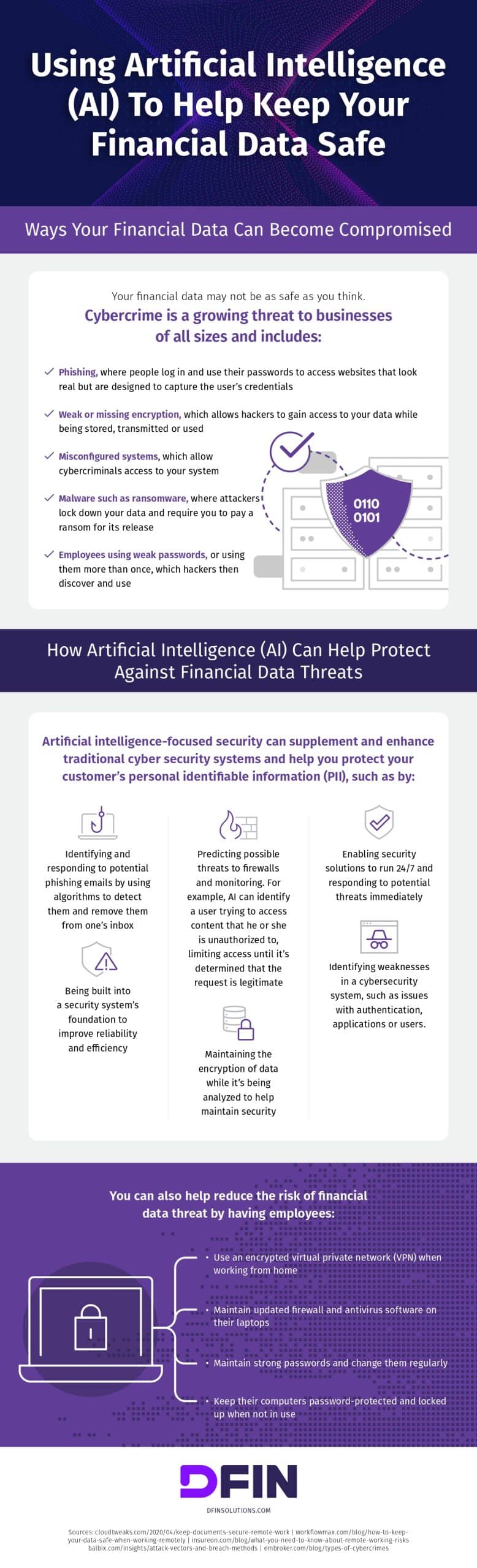
Protecting sensitive business data has become a top priority for organizations navigating an increasingly complex digital environment. As more companies adopt hybrid or remote work models, the attack surface expands, creating more opportunities for cybercriminals to exploit vulnerabilities in systems and human behavior. It is no longer enough to rely on conventional firewalls and antivirus software—today’s security threats require smarter, faster, and more adaptive defenses.
One of the major factors contributing to data insecurity is human error. Employees may unwittingly click on phishing links, use weak passwords, or access sensitive information from unsecured networks. These risks, coupled with the increasing sophistication of cyber-attacks such as ransomware and zero-day exploits, underscore the urgent need for smarter technologies to safeguard business data.
Artificial intelligence (AI) is rapidly becoming a game-changer in the field of cybersecurity. By leveraging machine learning and real-time analytics, AI can detect unusual activity patterns across networks and endpoints, often identifying threats before they escalate into full-blown breaches. Its strength lies in its ability to analyze vast datasets quickly, flag anomalies, and continuously adapt its threat detection protocols based on new information.
For example, AI can automatically scan inbound emails and filter out phishing attempts, preventing malicious links from ever reaching employees. It can also monitor login behaviors, flagging sign-in attempts from unusual geographic locations or at odd hours, helping to prevent unauthorized access. In the event of a detected breach, AI can assist with damage control by containing the threat and assisting in recovery efforts.
In industries that deal with large volumes of confidential information, such as mergers and acquisitions, the stakes are particularly high. Here, the integration of M&A Software with AI-driven security tools ensures that critical business documents and sensitive negotiations remain protected. These systems can enforce strict access controls, audit trails, and automated alerts to protect against data leakage or tampering during critical transactions.
Implementing AI-driven security solutions is not just about staying current with technology—it’s about future-proofing your organization. As cyber threats grow in scale and complexity, artificial intelligence offers a robust, proactive defense mechanism that evolves alongside those threats, ensuring that your most valuable digital assets remain protected.