Key Takeaways:
- User experience (UX) is paramount to website effectiveness and requires ongoing attention and innovation.
- Aesthetic flexibility and adaptive design are vital for inclusivity and reaching the widest audience possible.
- Web design tools are increasingly important to facilitate the creative process and support current and emerging trends.
- Minimalism and mobile-first design are becoming ever-present in shaping user-friendly and aesthetically pleasurable web designs.
The Importance of User Experience (UX) in Modern Web Design
The fusion of aesthetics with user-focused design principles defines the very core of contemporary web design. Far beyond superficial beauty, an exemplary digital presence hinges on a robust UX foundation—an intelligent blend of visual cues, interactive features, and intuitive navigation orchestrated to guide the user organically through the digital landscape.
It’s a platform where structure meets spontaneity, inviting participation, encouraging retention, and fostering loyalty. These websites are more than just touchpoints; they are experiences that resonate, transforming passive observers into active participants and loyal clients or customers.
Shaping Engagement Through UX
The effectiveness of user experience is measurable in the hearts and actions of its users. A website that coherently aligns with its user’s needs, preferences, and behaviors creates a silent symphony of engagement; its visitors glide through with ease, embraced by an environment cultivated just for them.
The UX is the unseen hand that welcomes, guides, and supports each visitor, leading them to the information they seek and a personal and engaging journey. Through strategic use of a Wix discount, designers can harness the potential of this tool to create websites that are not only beautiful but also highly functional.
Aesthetic Flexibility and Adaptive Design
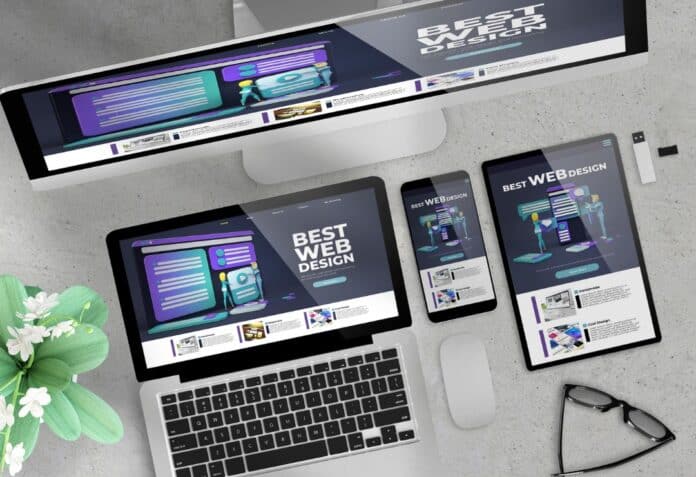
Adaptive design is the chameleon of the web world, where websites elegantly transform to maintain their usability and appeal across diverse devices. This design ethos extends beyond mere responsiveness; aesthetic flexibility is a dynamic dialogue between content, context, and user interface, ensuring a seamless experience regardless of screen size or format. When you want to get a professional website design for your auto detailing business, it needs specific features that highlight services, showcase high-quality images, and provide easy booking options for potential customers. It is about making sure visual hierarchies, touch targets, and navigational structures respond to the environment in which they’re accessed—be it a crisp desktop display or the compact confines of a mobile screen.
Tools and Technologies Driving Modern Web Design
In web design, tools and technologies serve as the conduits to translate creative visions into reality. Modern web design tools are burgeoning fields where innovation is the norm, and the ability to streamline complex processes becomes crucial. These tools, characterized by user-friendly interfaces and advanced features, empower designers to bring cohesion to their workflows—balancing the artistic and technical.
Additionally, integrating AI and automation opens up new horizons in design thinking, allowing for an adaptive approach to user-centered design that can evolve in real-time with the user’s requirements.
Balancing Creativity with Usability
Converging the streams of creativity and usability is the great balancing act of web design company dubai. While creativity seeks to break boundaries and invoke emotion, usability grounds design in function and accessibility. It’s a delicate dance where one must not upstage the other.
Mastering this balance entails closely studying the design’s impact on actual users, iterating with a blend of intuition and user feedback. Real-life examples of this harmonious union affirm the potential of creative designs to captivate and empower users in their quest for information and interaction.
Designing for Accessibility
Inclusivity in web design speaks volumes about a brand’s values, ensuring everyone has equal access to digital content. Accessibility is not merely a good practice but a moral imperative, serving as the foundation for a web that honors diversity and fosters equal opportunity. By embracing the global guidelines, designers create pathways for those with different abilities-pathways built on empathy and reinforced with technology, thus expanding the reach and positive impact of the digital world. These principles are commonly embraced in custom web development in Charlotte (or elsewhere), where accessibility is integrated into the design journey to create balanced and user-friendly digital experiences.
The Role of Minimalism in Today’s Web Design Trends
Minimalism is a testament to the power of simplicity. Out of the cacophony of colors, shapes, and information, minimalism emerges with a whisper that commands attention. It strips down the superfluous, guiding users to zen-like digital spaces where content breathes, and messages resonate without the clamor of visual noise.
The success of minimalistic websites lies in their ability to present content cleanly, prioritize functionality, and facilitate user journeys that are smooth and uncluttered—thereby creating a silent allure that’s both inviting and effective.
The Influence of Mobile Usage on Web Design
Mobile design is no longer an afterthought but a leading force in the design process. The ubiquity of smartphones has heralded a shift towards mobile-friendly and mobile-first designs. Statistics continuously underscore the dominant role mobile devices play in our lives.
Web designers no longer have the luxury of assuming a desktop-first user; instead, they must navigate the nuances of touch interfaces, condensed menus, and a mobile user’s inherently different browsing behaviors. This mobile-centric worldview has become an economic necessity and a creative challenge that drives innovation on the smallest screens.
Interactive Elements and Dynamic Content
Interactivity and dynamic content are the sparks that ignite digital conversations between websites and their visitors. Through innovative features like parallax scrolling, interactive storytelling, and personalized content feeds, users become active participants in the digital narrative.
These smart, engaging elements inject vibrancy into web pages, turning passive browsing into an exploratory, adventure-laden experience. Yet, while they captivate, they must also be wielded with care, balanced against the website’s overall performance and user accessibility, ensuring that interactivity enhances rather than complicates the user journey.
We hope you like this article, you may also want to read about Heavy Equipment Maintenance Tips and visit Quirko Hub again.

