
Finding the right storage space can make all the difference when managing a move, clearing out clutter, or simply trying to stay organized. With so many options available, choosing one that fits your specific needs can feel overwhelming. It’s not just about picking a unit with enough room—it’s about thinking ahead and factoring in security, accessibility, and long-term convenience. Whether you’re storing personal keepsakes, business inventory, or seasonal gear, the right approach can prevent frustration and save time down the road. These six tips will help you make an informed choice and avoid common storage pitfalls.
Prioritize Security Features From the Start
Not all storage facilities take safety seriously, and this can lead to unnecessary stress or even loss. Before signing any contract, look into the site’s security features. Is the area well-lit? Are there cameras monitoring every corner? Are individual units fitted with their own alarms? Strong fences and gated access points are only part of the picture—reliable safety means having layers of protection in place.
It’s especially helpful to select units that offer 24/7 access storage lockers, which are often housed in facilities with advanced entry controls. The combination of round-the-clock access and high-grade security can provide confidence whether you’re storing expensive tools, electronics, or confidential documents. Knowing that your belongings are safe—and always available when you need them—can give you peace of mind no matter what time of day you visit.
Match the Unit Size to What You’re Storing
Choosing a unit that’s too small leads to cramped and chaotic conditions. On the other hand, paying for too much unused space wastes money. Before you make any decisions, create a quick inventory of what you plan to store. Group items by size and shape, and estimate how they’ll stack or fit together. Don’t forget to leave room for walkways if you need to access things regularly.
Think about whether your belongings can be stored vertically or if they need to lie flat. A couch and a few boxes require less vertical height than tall bookshelves or equipment that can be stacked. Climate-controlled units might be necessary if your items include delicate fabrics, electronics, or anything sensitive to temperature changes. Matching your load to the right-sized unit keeps your items in good condition and your budget on track.
Think About How Often You’ll Need Access
Some people need access to their storage unit every week, while others won’t return for months. Think about your schedule and pick a location that fits your habits. A storage facility close to your home or workplace makes life easier if you’ll be stopping by regularly. For seasonal storage, a place farther away might be acceptable if it saves on rental fees.
You’ll also want to consider operating hours. A storage facility with restricted hours can be frustrating if you work late or need to retrieve items on weekends. This is where choosing storage lockers with 24/7 access can really come in handy, as it allows flexibility that fits any routine. Time is a resource, and access limitations often turn simple tasks into long delays.
Pay Attention to Cleanliness and Maintenance
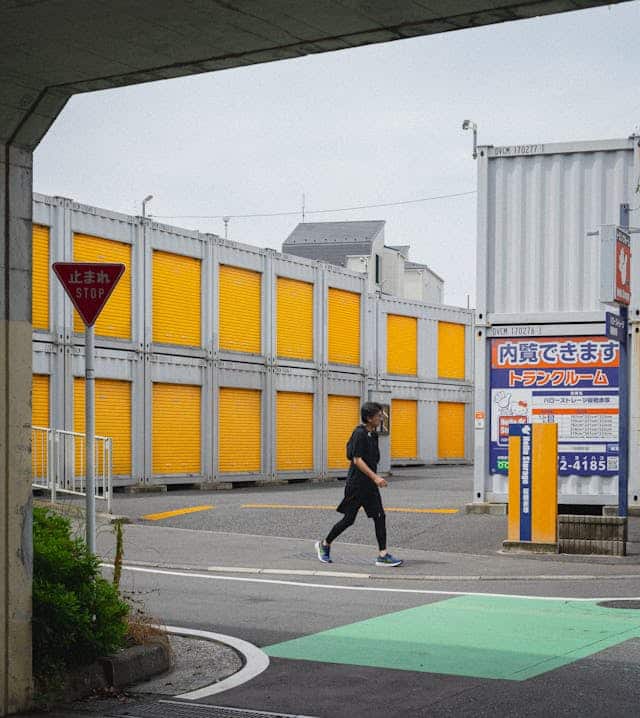
A poorly maintained facility can quickly ruin whatever you’ve chosen to store. Leaks, pests, mold, and general neglect can lead to damage that’s both expensive and avoidable. When touring a site, check the condition of the floors, ceilings, and walls. Look for signs of water damage, rodent droppings, or strange odors. If common areas like hallways and restrooms are clean, there’s a good chance the staff is attentive to the rest of the facility.
Units with sealed doors and elevated flooring are often better protected against outside elements. Well-managed facilities typically have regular pest control and maintenance checks built into their operations. If a place looks dirty or disorganized, it’s best to keep looking. The condition of a facility often reflects how much care goes into protecting the items stored inside.
Review the Contract Carefully Before Committing
Contracts for storage units are often more complicated than they appear. Take your time reviewing the agreement to avoid unexpected fees, restrictive terms, or unclear rules. Some contracts charge penalties for late payments or early move-outs, while others might include automatic renewal clauses that are easy to overlook.
Understand the notice period required if you plan to end the lease and ask about refunds for unused time. Make sure the contract outlines who is responsible for damages in case of fire, flood, or theft. If insurance isn’t included, ask if it’s available through the facility or if you’ll need to arrange it separately. Taking a few extra minutes to read the fine print can save you weeks of hassle later.
Look for Good Customer Service and Support
When things go wrong—or when you have questions—it helps to deal with people who are responsive and professional. Good customer service can make a stressful situation much easier to handle. Ask how the facility handles emergencies or access issues. If you lose your key or have problems with the entry code, will someone be available to help quickly? Read recent reviews from other renters to get a sense of how the staff treats clients. Look for mentions of quick resolution times, helpful responses, and clear communication.
Selecting the right storage space goes beyond just finding a big, empty box. It’s about aligning your needs with the right environment, contract, and level of care. Make a thoughtful choice now, and you’ll avoid unnecessary stress later.

