
If you’ve ever received a small item in a box that could fit a microwave, you’re not alone. In the race to protect products during shipping, many brands still lean toward the “more is more” approach, often at the expense of sustainability, customer satisfaction, and shipping costs. The real challenge isn’t just keeping things safe; it’s doing it smartly.
Finding the right balance in packaging is crucial, especially for businesses navigating global shipping, evolving consumer expectations, and increasing environmental awareness. Whether you’re a small e-commerce startup or an established retailer, reducing overpacking isn’t just about going green; it’s about being efficient, thoughtful, and future-ready.
Why Overpacking is Becoming a Problem
Overpacking may sound like an innocuous means of guaranteeing that products reach their destination in one piece, but it tends to do more harm than good. Excessive packaging imposes increased shipping charges as a result of added weight and volume, and it provides a source of annoyance for consumers who must struggle with oversized, unnecessary packaging. But beyond that, it can destroy a brand’s image, particularly among environmentally conscious consumers who are becoming more attuned to sustainability concerns.
Aside from the expense and hassle, the environmental cost is considerable. Those non-recyclable materials are just going to end up in the landfill, and the energy expended in manufacturing and getting the overpackaging there only contributes to more carbon emissions. The reality is that most merchandise doesn’t need all that padding if packaging is intelligently designed. It’s not a matter of how much you use, it’s a matter of how intelligently you use it.
Understanding Consumer Expectations
Today’s buyers are far more aware of environmental issues than they were a decade ago. Many even make purchasing decisions based on a brand’s sustainability practices. When a package arrives stuffed with bubble wrap, Styrofoam, or layers of plastic, it doesn’t just feel wasteful it feels out of touch.
Actually, sustainable packaging isn’t trendy; it’s on the rise, according to LinkedIn data reported by Baker Liu. Brands that overpack stand to lose favor with an expanding consumer base that values responsibility over indulgence.
Add to that the fact that customers’ unboxing experiences are shared more and more often on social media. If your packaging is perceived as wasteful or clumsy, it becomes part of the customer feedback, regardless of whether the actual product is great.
Smart Packaging Strategies That Work
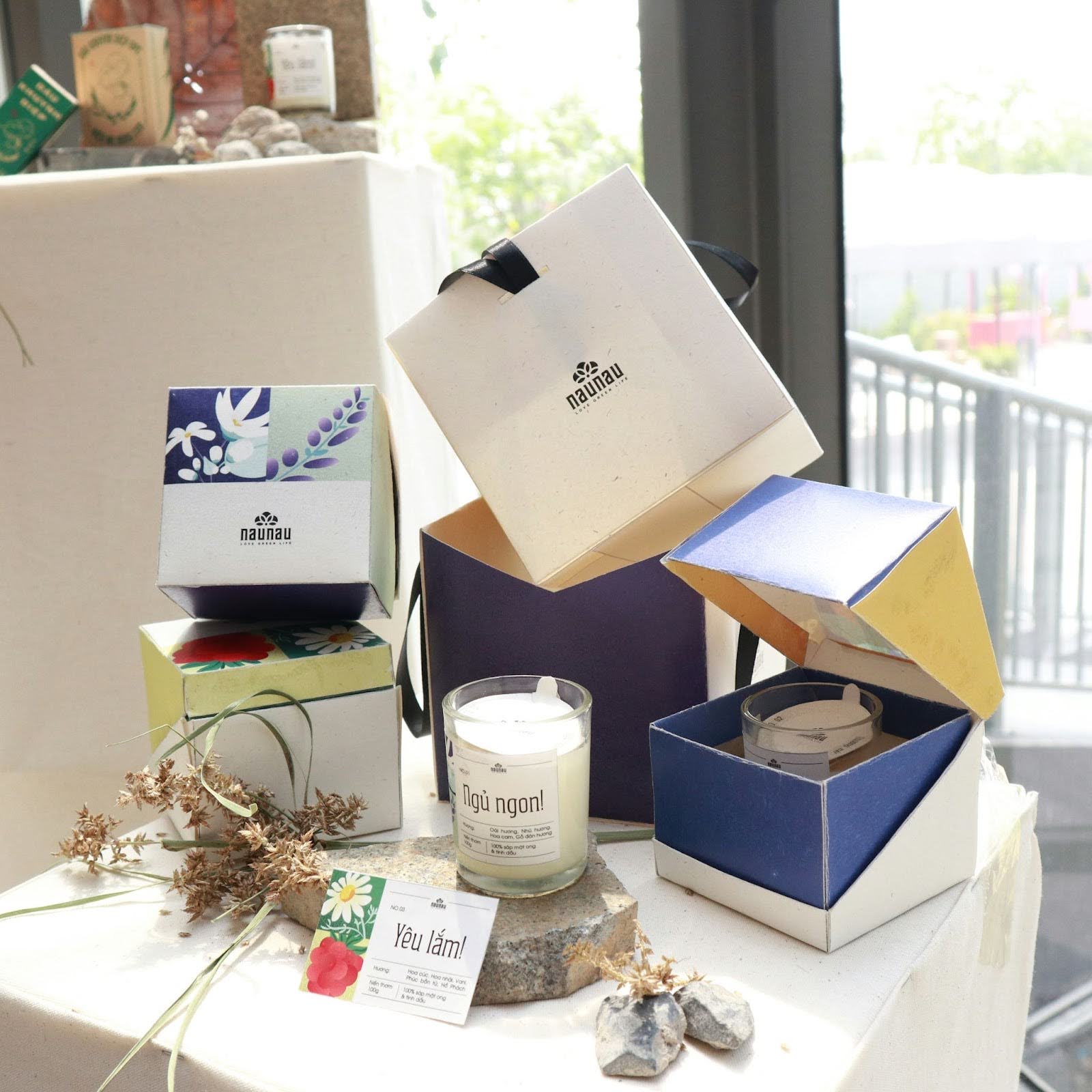
Rather than resorting to overpacking, here are some practical strategies to safeguard products effectively and in a sustainable manner:
1. Right-Size Everything
Utilize packaging that is very close to the dimensions of the product. This not only eliminates the need for unnecessary filler materials, but also helps in decreasing shipping expenses. Most fulfillment centers today employ automated systems that cut boxes to the ideal size, which ensures minimal wastage and optimum efficiency.
2. Opt for Multi-Functional Materials
Use materials with multiple functions. Corrugated cardboard, for instance, is protective and recyclable. In some cases, brands actually employ packaging that serves as both a return container and converts into reusable storage space, increasing functionality without additional waste.
3. Layer Intelligently
If your item is breakable, you don’t require three inches of bubble wrap. Opt for smart layering instead. Recycled paper, molded pulp trays, or biodegradable air pillows can provide the same amount of protection without the plastic guilt.
4. Use Inserts and Compartments
Rather than overstuffing, keep things secure with molded inserts or cardboard compartments. They keep things in their places, minimizing the chances of damage in transit. Additionally, they appear more premium and organized to customers.
5. Test for Durability, Not Excess
Product protection is not about volume but performance. Perform real-world drop and compression tests to observe where damage actually happens and design your packaging based on that. This prevents unnecessary padding where it’s not required.
Benefits of Smarter Packaging
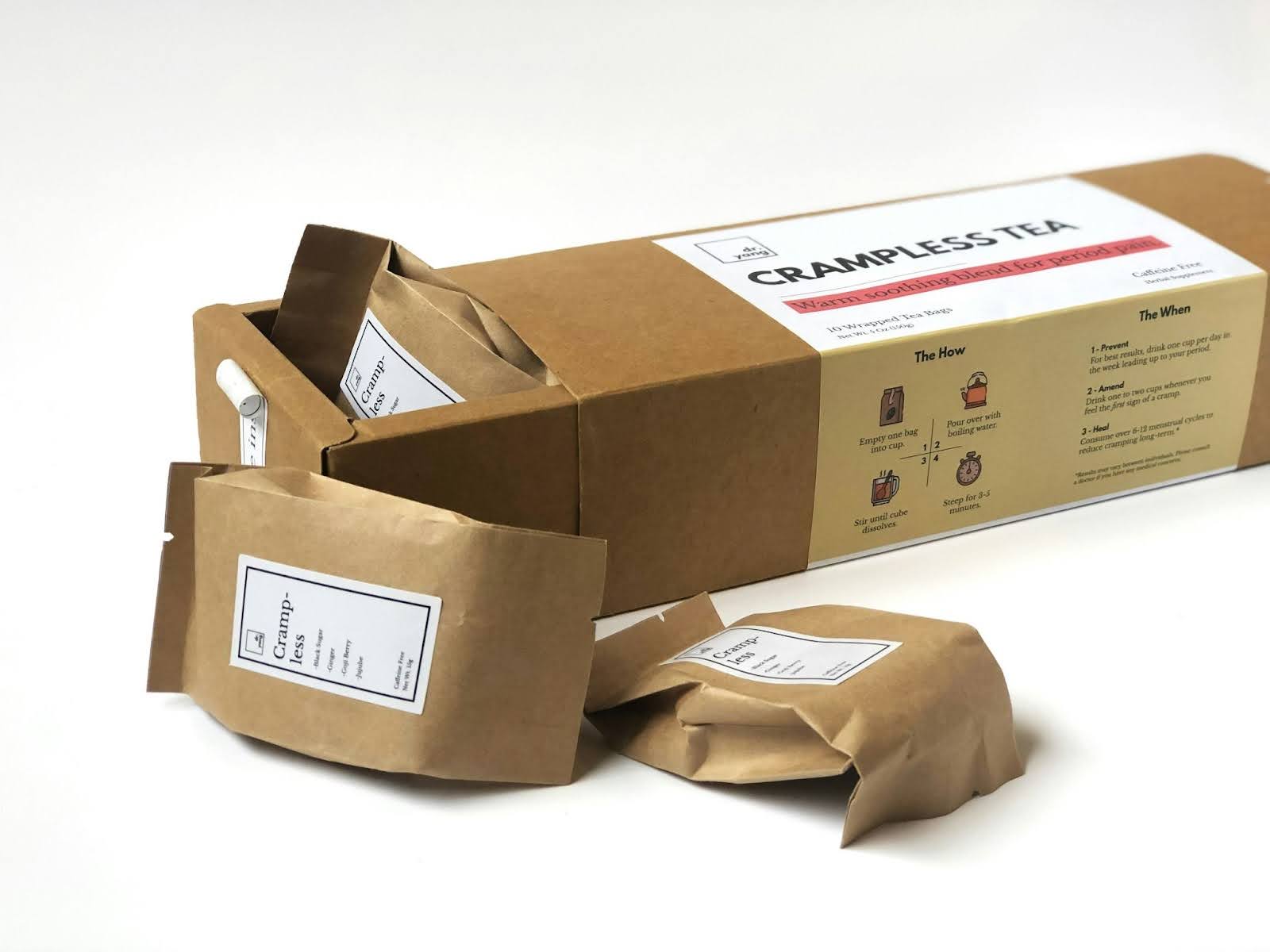
Smarter packaging is more than just cutting costs or being green; it’s a potent brand-building tool. Simply designed, space-saving packaging enhances the customer experience as it’s less complicated to open, store, and throw away. It also demonstrates a brand’s focus on detail and concern, something that resonates heavily with today’s environmentally aware consumers. When customers realize a brand makes reasonable decisions, they’re more likely to come back and foster long-term loyalty.
From a cost perspective, right-sized packaging eliminates the need for fill materials, shrinks box size, and decreases shipping costs, saving substantial amounts over time. It also improves product presentation, particularly in retail environments where simple, clean packaging tends to be more noticed than bulky or busy-looking designs. This is especially true for solutions like custom plastic window box packaging, which not only showcases the product effectively but also aligns with modern consumer preferences for transparency and sustainability. In the words of The Packaging Club, packaging is far more than merely a container; it’s a chance to express your brand values and heighten the entire customer experience.
Packaging Trends to Watch
With the global market on the move, packaging innovations are changing right along with it. A particularly interesting development is the growth of compostable plant-based packaging that biodegrades and is becoming increasingly popular among consumers who are green-minded. Smart packaging is also on the rise, including such features as QR codes, sensors, or even augmented reality to make an interactive and more informative experience for the user.
Minimalist packaging is yet another top trend, with simple, efficient, and zero-waste packaging ringing increasingly true, especially among younger consumers who appreciate simplicity and sustainability. Adopting all these advancements not only testifies to a company’s innovative spirit but also enhances its standing in an increasingly competitive market. Early adoption indicates current relevance, accountability, and a real passion for enhancing consumer experiences.
Protecting your products doesn’t mean you have to wrap them like fragile heirlooms. In fact, overdoing it can backfire. The key lies in packaging that’s protective, efficient, and mindful of the consumer’s experience. By choosing the right materials, using the right size, and listening to feedback, you can ensure your products arrive safe and your customers stay happy.
So next time you’re tempted to add one more layer of bubble wrap, ask yourself: is this really necessary, or is there a smarter way?

