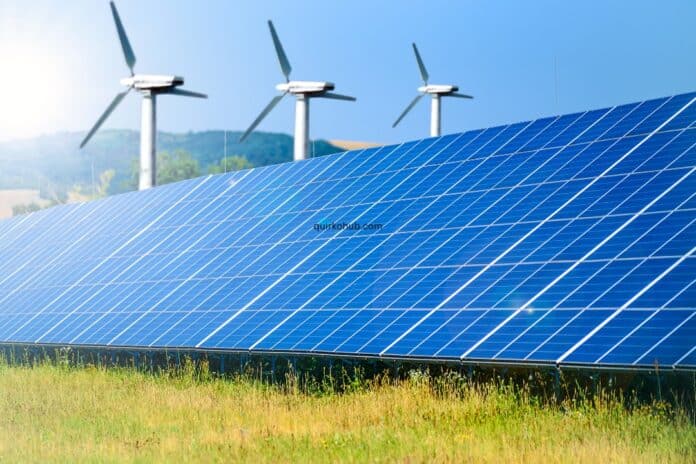
Introduction to Residential Renewable Energy
As the world grapples with the effects of climate change and the depletion of fossil fuels, many homeowners are seeking reliable and sustainable energy alternatives. Solar and wind energy systems have emerged as leading contenders in this quest for greener solutions.
By shifting from conventional power sources to these renewable options, homeowners can significantly reduce their environmental footprint and contribute to a more sustainable future. It is essential to understand the financial and logistical implications, as the cost of a home wind system can be significant. This cost factor underscores the importance of making informed decisions when investing in renewable technologies.
Advantages of Solar Power
Solar power is harnessed using panels of photovoltaic cells that convert sunlight into electricity. This method of energy generation has surged in popularity, driven by its extensive benefits. First and foremost, solar energy significantly reduces reliance on grid electricity, translating into substantial savings on utility bills.
Homeowners also enjoy the low-maintenance nature of solar systems, which typically require only periodic cleaning and inspections. The lifespan of solar panels often exceeds 25 years, providing a durable solution for long-term energy needs. Additionally, numerous government programs offer tax incentives and rebates for solar installations, making the initial investment more palatable and accelerating the return on investment.
Benefits of Wind Energy at Home
While less common than solar panels, residential wind energy systems offer unique advantages. Wind energy is generated through turbines that convert the wind’s kinetic energy into electricity. This approach can be efficient in areas with consistent wind patterns. Residential wind systems can foster energy independence by significantly reducing or eliminating reliance on grid electricity.
The sense of security and autonomy gained from generating one’s energy is compelling for many. Wind energy supports sustainable living and can hedge against the volatility of traditional energy markets. This hedge and fewer carbon emissions make wind energy an attractive option for sustainably-minded homeowners.
Comparing Costs: Solar vs. Wind
Cost is often at the forefront of decision-making when evaluating renewable energy options. The cost of installing solar systems has decreased dramatically over the past decade, depending on the size and efficiency of the panels. Innovations and economies of scale have driven these costs downward, making solar energy more accessible.
Site-specific factors, such as wind availability and turbine size, can significantly influence these costs. The competitive landscape of home renewable energy is continually evolving, with price trends increasingly favoring sustainable choices over fossil fuel reliance.
Installation and Maintenance
The installation of solar panels is typically less complex than wind systems, often completed in a few days without the need for major structural modifications. These systems require minimal maintenance, primarily basic cleaning, to ensure that panels remain unobstructed by debris or snow.
In contrast, installing a wind turbine requires a more comprehensive site assessment to ensure optimal placement for wind energy capturing. Maintenance for wind systems is also more involved, requiring regular inspections and occasional adjustments or repairs to the mechanical components. Despite this, both systems promise low long-term maintenance commitments, a vital consideration for prospective users.
Tips for Choosing the Right System
Selecting between solar and wind systems depends on various factors, including geographic location, budget constraints, and personal energy goals. Solar panels are typically more advantageous in urban or cloudier areas with ample rooftop space. Wind turbines, however, may be more effective in rural or open areas with strong, consistent winds.
It’s crucial to thoroughly assess the property’s conditions and consult with industry professionals. Prioritizing a system that aligns with both environmental values and financial capacity will ensure a sound investment in renewable energy.
Future Trends in Residential Renewable Energy
The renewable energy sector is set for significant advancements in the coming years. Integrations with cutting-edge technologies, such as energy storage solutions and smart grids, will enhance the efficiency and capability of home systems.
These innovations promise to address inconsistencies in energy supply and complement electric vehicle charging and smart home systems. As policy frameworks continue to develop, supporting broader adoption and innovation, technologies such as solar and wind power will become increasingly accessible and attractive to residential users. Together, these trends signal a positive shift towards a more sustainable future, with renewable energy playing a crucial role in reducing global carbon emissions.

