
Healthcare institutions are among the most complex facilities to design and build. They must balance strict regulatory standards with functionality, safety, and patient comfort. Whether it’s a small clinic or a major hospital, building a healthcare facility requires careful planning, collaboration, and attention to detail at every stage.
From initial feasibility studies to final inspections, the process is a step-by-step journey that involves multiple stakeholders, technical expertise, and thoughtful decision-making. Here’s a comprehensive look at how healthcare institutions are built and what ensures their long-term success.
Conducting Needs Assessment and Feasibility Studies
Every healthcare project begins with understanding the community’s needs. A thorough assessment determines what kind of services the institution should provide, the size of the facility, and the resources required. Factors like population demographics, projected patient demand, and geographic access play critical roles in shaping the scope of the project.
Feasibility studies follow this assessment, addressing key questions: Is the project financially viable? Does the site location make sense logistically? Are there enough healthcare professionals available to staff the institution? By answering these questions upfront, stakeholders can avoid costly mistakes later in the process.
Engaging the Right Design and Construction Partners
Once the scope is defined, the next step is to assemble a team capable of executing the vision. This includes architects, engineers, and healthcare facility builders who specialize in the unique requirements of medical environments. Because these facilities must meet strict codes related to safety, accessibility, and hygiene, partnering with experienced professionals is crucial.
Builders bring technical expertise and provide insights into design choices that improve efficiency and patient experience. The placement of operating rooms, waiting areas, and staff facilities can impact workflow, reduce patient stress, and improve outcomes. By engaging the right partners early, institutions set a solid foundation for success.
Navigating Regulations and Compliance
Healthcare facilities operate under some of the strictest regulations in the construction industry. Building codes must align with national and local standards, and additional healthcare-specific requirements cover areas such as infection control, waste management, fire safety, and accessibility.
Compliance extends beyond physical infrastructure to include systems like HVAC, electrical, and plumbing, all of which must meet medical-grade standards. Detailed documentation, regular inspections, and ongoing consultation with regulatory bodies ensure that every aspect of the facility adheres to requirements. Early attention to compliance helps prevent delays, fines, and expensive redesigns later in the project.
Designing for Functionality and Patient Experience
Modern healthcare facilities are not just about functionality; they are designed to create healing environments. Thoughtful design can reduce patient anxiety, support efficient workflows, and enhance the experience for staff and visitors.
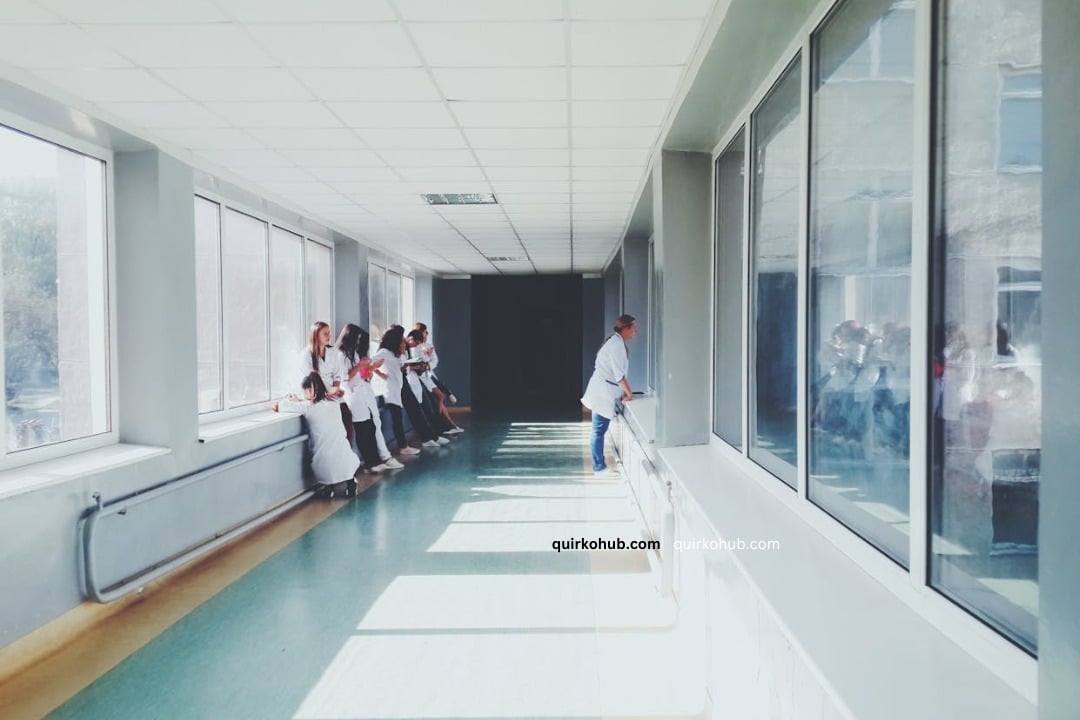
Natural lighting, comfortable waiting areas, and accessible layouts all contribute to patient well-being. For staff, efficient layouts that reduce walking distances and ensure easy access to equipment help minimize fatigue and improve care delivery. Technology integration, such as digital check-in systems or telehealth spaces, reflects the evolving needs of modern medicine.
Facilities must be designed with flexibility in mind. As healthcare evolves, spaces may need to adapt to new technologies, expanded services, or emergency responses. Designing with scalability ensures the institution remains functional and relevant for years to come.
Managing Construction and Timelines
With plans in place, the construction phase begins. This stage requires careful coordination among contractors, suppliers, and project managers to ensure progress stays on track and within budget. Healthcare projects are often larger and more technically demanding than standard construction, requiring specialized skills and meticulous attention to safety protocols.
Regular site inspections, quality checks, and stakeholder updates keep the project aligned with expectations. Contingency planning is critical, as unexpected challenges, from supply chain disruptions to weather delays, can threaten schedules. Successful construction management balances speed with precision, ensuring that the facility is delivered on time without compromising safety or quality.
Final Inspections, Training, and Handover
Before opening its doors, a healthcare institution must undergo rigorous inspections to confirm compliance with building codes and healthcare regulations. These inspections cover everything from fire systems to air filtration and accessibility features. Only once the facility meets all requirements can it be certified for operation.
The handover phase includes training staff on how to use the building effectively. This may involve learning how to navigate new layouts, operate specialized equipment, or manage new digital systems. A smooth handover ensures that the transition from construction to care delivery happens seamlessly.
Post-occupancy evaluations help identify areas for improvement. Gathering feedback from staff and patients in the first months of operation provides insights that can inform future projects or adjustments to the existing facility.
Building a healthcare institution is a complex, multi-stage process that requires vision, collaboration, and precision. From needs assessments and regulatory compliance to design, construction, and final inspections, every step is crucial to ensuring the facility can deliver safe, effective, and compassionate care.

