
Western Europe’s cities don’t compete for attention; they accumulate it. Beauty here is rarely isolated. It sits within daily routines — a museum crossed on the way to work, a square passed every morning, a café returned to without thinking. What makes these urban gems enduring is not their fame, but their usefulness. They remain part of how the city moves.
This is a region where culture does not ask for silence or ceremony. It allows interruption. It survives contact with ordinary life. To understand these places is not to stand still in front of them, but to notice how easily they fold into the day.
Art as Daily Presence in Amsterdam
Amsterdam’s cultural life feels unusually grounded. The city resists monumentality, preferring scale that remains walkable and familiar. Canals structure movement. Neighbourhoods repeat gently rather than dramatically. Even its most famous institutions sit within reach of ordinary routes.
The Rijksmuseum exemplifies this balance. It is grand without being remote, formal without feeling closed. Locals cycle past it daily. Visitors enter without crossing psychological distance. Art here is not elevated above the city — it is placed within it.
The surrounding streets reinforce that relationship. Parks, paths, and tramlines keep the area porous. You don’t arrive at culture; you pass through it.
Movement Without Separation
Travel between Western European cities rarely feels like departure. Routes have been rehearsed for centuries, reshaped rather than replaced.
Journeys such as the Amsterdam to Brussels trains illustrate how closely these urban centres remain linked. Distance compresses without flattening difference. You leave one rhythm and enter another without friction, carrying expectation forward rather than resetting it.
This continuity shapes how cities relate to one another — not as destinations, but as chapters.
Civic Confidence in Brussels
Brussels is often described through institutions, yet its identity is most legible in public space. The city’s rhythm unfolds between markets, arcades, and squares that remain actively used rather than preserved.
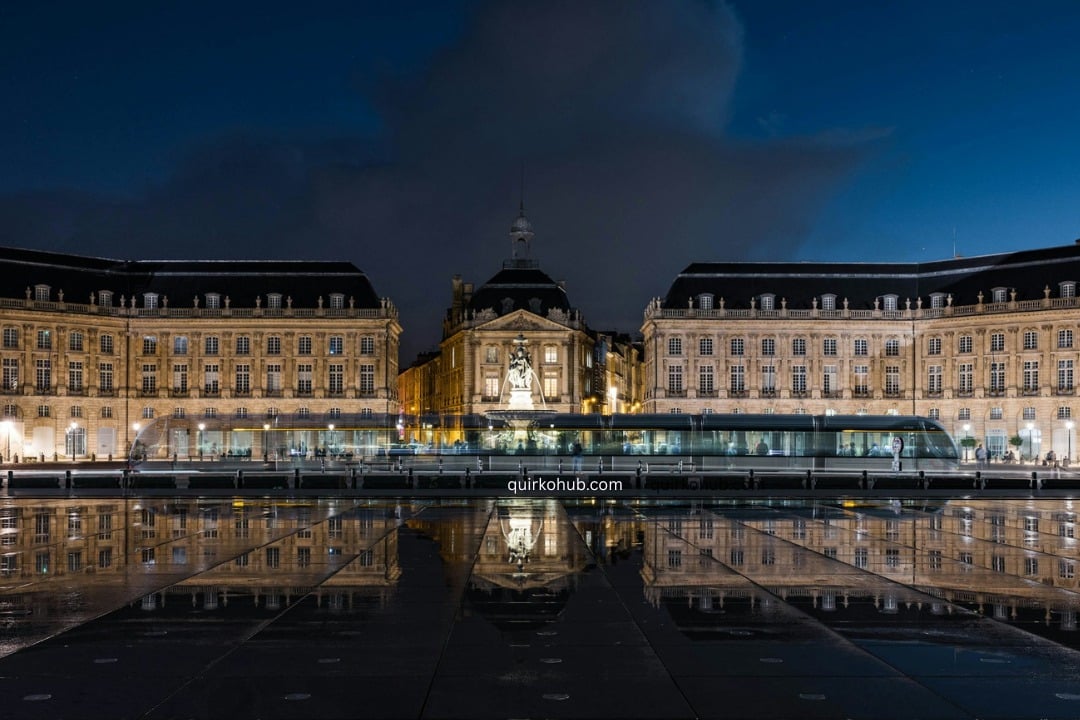
Place de la Bourse sits firmly within this pattern. It functions as a meeting point, a pause, a backdrop for movement rather than a destination demanding attention. People gather here without agenda. Conversations start and end naturally.
What gives the square its authority is familiarity. It belongs to the city’s present, not just its past.
Cafés as Urban Anchors in Paris
Parisian cafés are not romantic accessories. They are structural. Streets rely on them. Time bends around them. Sitting is not inactivity; it is participation.
Tables spill outward because the city allows it. Conversations last because no one is hurried along. Cafés mark neighbourhood identity more reliably than signage.
This consistency turns repetition into meaning. Returning to the same corner table becomes an act of belonging rather than habit.
Southward Without Losing the Thread
France’s internal connections reinforce this sense of continuity. Travel does not erase context; it carries it.
Taking the Paris to Bordeaux train introduces a subtle shift rather than a dramatic one. Light changes. Pace loosens. Density relaxes. Yet the cultural logic remains intact — public space stays central, and daily rituals persist.
The transition feels additive, not corrective.
Refinement and Restraint in Bordeaux
Bordeaux approaches culture with composure. Grandeur exists, but it is measured. Streets open evenly. Architecture favours proportion over excess.
Public spaces here are designed for movement and pause in equal measure. Cafés line broad pavements. Squares encourage lingering without spectacle. The city’s confidence lies in how little it insists.
Bordeaux demonstrates how urban elegance can be sustained through balance rather than display.
The Power of the In-Between
Western Europe’s urban gems often reveal themselves between major landmarks. A short street that connects two known places. A café positioned at the edge of a square rather than its centre.
These in-between spaces absorb daily life. They are flexible, forgiving, and repeatable. Culture survives here because it is not protected from use.
This is where cities feel most honest.
Why These Cities Endure
Amsterdam, Brussels, Paris, and Bordeaux succeed culturally because they never isolate what they value. Art, architecture, and social life remain intertwined. Institutions stay embedded. Public space stays public.
These cities trust repetition. They allow places to be revisited without diminishing impact. Familiarity deepens rather than dulls experience.
Urban Culture That Doesn’t Need Framing
What links these Western European gems is their refusal to overexplain themselves. Meaning is not delivered through plaques alone. It is learned through use.
You understand a museum by passing it often. You understand a square by meeting there repeatedly. You understand a café by returning without occasion.
This quiet accessibility keeps culture active.
A Region Shaped by Return
Western Europe’s urban appeal lies in its openness to return. Cities reveal themselves gradually, without demanding completion. You don’t feel finished with them; you feel oriented within them.
Rijksmuseum halls, Place de la Bourse gatherings, Parisian café rituals — these are not highlights to be checked off. They are patterns to step into.
And that is why these urban gems endure: not because they stand apart from life, but because they remain firmly inside it, waiting to be encountered again.

