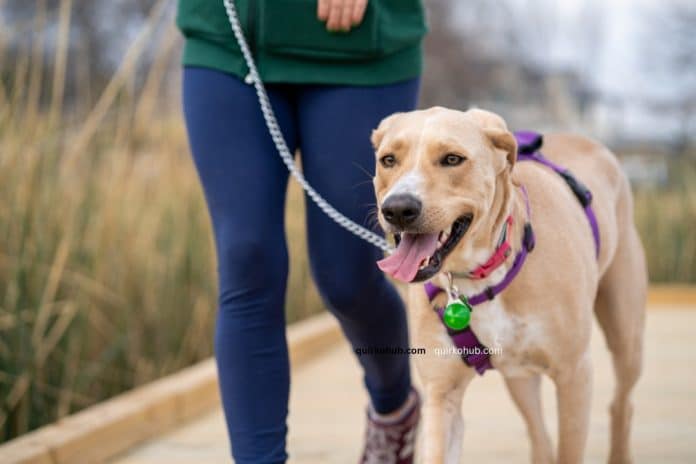
Dogs love the outdoors. Whether it’s running in the yard, exploring new scents, or lounging in the sunshine, outdoor time is essential for their physical health and mental well-being. However, letting your dog roam outside comes with risks. From traffic and toxic plants to wildlife and harsh weather, dangers can lurk in many forms. Fortunately, there are practical steps dog owners can take to minimize these risks while still giving their pets the freedom to enjoy fresh air.
Here are smart, effective ways to protect your dog from outdoor dangers and create a safe environment where they can thrive.
Secure Your Yard with Traditional Fencing
The first line of defense against outdoor hazards is a secure yard. A well-built physical fence keeps your dog safely contained while also preventing unwanted intruders such as stray animals.
Traditional options include wood, vinyl, chain-link, or composite fencing. Each material has its advantages, from durability to privacy to cost-effectiveness. Your dog’s size and personality should guide your choice. For example, active jumpers may require taller fences, while diggers might need reinforcement at the base.
Regardless of style, the key is ensuring your fence has no gaps, loose panels, or weak spots. A sturdy physical barrier provides peace of mind that your dog can play safely without wandering into danger.
Consider Electric Dog Fences for Added Security
In addition to traditional fencing, electric dog fences can be a smart solution for many families. These systems create an invisible boundary around your property using a transmitter and a receiver collar. When your dog approaches the boundary, the collar emits a warning tone, vibration, or mild correction, teaching them to stay within the safe zone.
Electric dog fences offer several advantages. They are often more affordable than traditional fences, especially for large properties. They also work well for irregularly shaped yards or areas where building a visible fence is not practical. With proper training, dogs quickly learn their boundaries and enjoy freedom without the risks of running into traffic or neighbors’ yards.
It’s important to note that the successful use of electric dog fences depends on proper training and maintenance. Pet owners should take time to train their dogs consistently and ensure the system is functioning correctly. For reliable service, contact Pet Stop for nationwide electric dog fence contractor options. Their professional installation and support can help you create a safe, effective boundary tailored to your property and your dog’s needs.
Eliminate Toxic Plants and Hazardous Landscaping
Not all greenery is safe for pets. Many common plants, such as azaleas, lilies, tulips, and sago palm, are toxic to dogs if ingested. Certain landscaping materials, like cocoa mulch or sharp rocks, can also pose risks.
To create a safe outdoor environment, research dog-friendly plants and avoid using harmful pesticides or fertilizers. Consider replacing dangerous plants with safe alternatives such as sunflowers, marigolds, or pet-safe herbs. Regularly inspect your yard for fallen fruits, mushrooms, or other hazards that could tempt a curious pup.
Provide Shelter and Weather Protection
Extreme weather can be just as dangerous as other outdoor hazards. Dogs can overheat quickly in hot temperatures, while cold weather can lead to hypothermia. A proper shelter is essential to protect them from the elements.
In the summer, ensure your yard has shaded areas, cooling mats, and fresh water stations. In the winter, insulated dog houses or heated shelters can provide warmth. Even with shelter, remember that dogs should not be left outside for extended periods during extreme weather conditions.
Prevent Wildlife Encounters
Wild animals pose another potential danger to dogs. Coyotes, raccoons, snakes, and even stray cats can cause injury or spread disease. Minimizing wildlife encounters starts with making your yard less attractive to them.
Secure trash bins, avoid leaving pet food outdoors, and remove fallen fruit or compost piles that might attract unwanted visitors. If you live in an area with frequent wildlife activity, supervising your dog during outdoor time is especially important.
Regular Yard Inspections and Maintenance
Even the safest yard requires regular maintenance. Inspect your fencing or electric system for signs of wear, check for loose boards, and repair any weak spots immediately. Clear away debris, sharp objects, or standing water that could create hazards.
Routine upkeep ensures your yard remains safe and reduces the risk of accidents. Taking just a few minutes each week to inspect your space can make a huge difference in protecting your dog.
Supervision and Training for Outdoor Safety
No matter how many safeguards you put in place, supervision is key to your dog’s safety. Watching your pet while they’re outside allows you to quickly intervene if something goes wrong. Training is equally important. Teaching recall commands, boundary respect, and safe behavior in the yard ensures your dog knows how to respond in different situations.
Combining good training with physical and electronic safeguards provides the best protection against outdoor dangers. With consistency, your dog can enjoy the outdoors with both freedom and safety.

