
Design is everywhere. It lives in the things we use each day. It shows up in clothes, furniture, and even the spaces where we work. But some of the best design ideas do not come from the usual places. They come from cars.
One clear example is the rise of the C7 transparent roof. It was not just about giving drivers a view. It was about connecting the road to the sky. That idea is now moving into other fields. Designers see how light, space, and style can merge. The car world is giving fresh lessons to many industries.
Light as a Design Tool
Light is no longer just a source of vision. It has become part of the design itself. Car makers use glass, panels, and subtle shapes to guide how light moves inside the cabin. A soft glow can set a calm tone. A bright cut of light can feel sharp and bold.
Architects borrow from this playbook. Big windows, skylights, and open frames do more than brighten a room. They make spaces feel alive. They change mood, flow, and even how people interact. The lesson is simple. Light is not just something you see by. It is something you live with.
Materials That Tell Stories
Cars are not only about engines and speed. They are also about texture. A leather seat feels one way. A brushed metal knob feels another. Even a carbon fiber trim has its own message. Each surface adds a layer to the story of the car.
This approach shows up in other design work. Interior spaces now blend stone, wood, glass, and fabric. Each material has a mood. Designers choose them with care. They know touch is as important as sight. A chair, a wall, or even a desk becomes more than an object. It becomes an experience.
Form and Function in Balance
One of the oldest rules in car design is balance. A sleek curve is beautiful, but it must also cut through air. A wide stance looks bold, but it must also grip the road. Form and function work hand in hand.
This same rule drives furniture and product design. A chair must be easy on the eyes but also easy to sit in. A lamp must look good but also cast useful light. Designers watch how cars manage this balance. They see that style without purpose feels empty. At the same time, pure function with no style feels cold. The sweet spot is in the middle.
The Emotional Side of Motion
Cars are not static objects. They are built to move. That motion creates feeling. A smooth ride feels calm. A sharp corner feels bold. Even the sound of the engine stirs something in people. Designers know this emotional power matters.
Other fields are learning from it. Think of furniture that rocks with a gentle sway. Think of lighting that shifts like a slow sunset. These designs borrow the rhythm of cars. They remind us that motion adds life. The goal is not just to make something useful. It is to make something that stirs the heart.
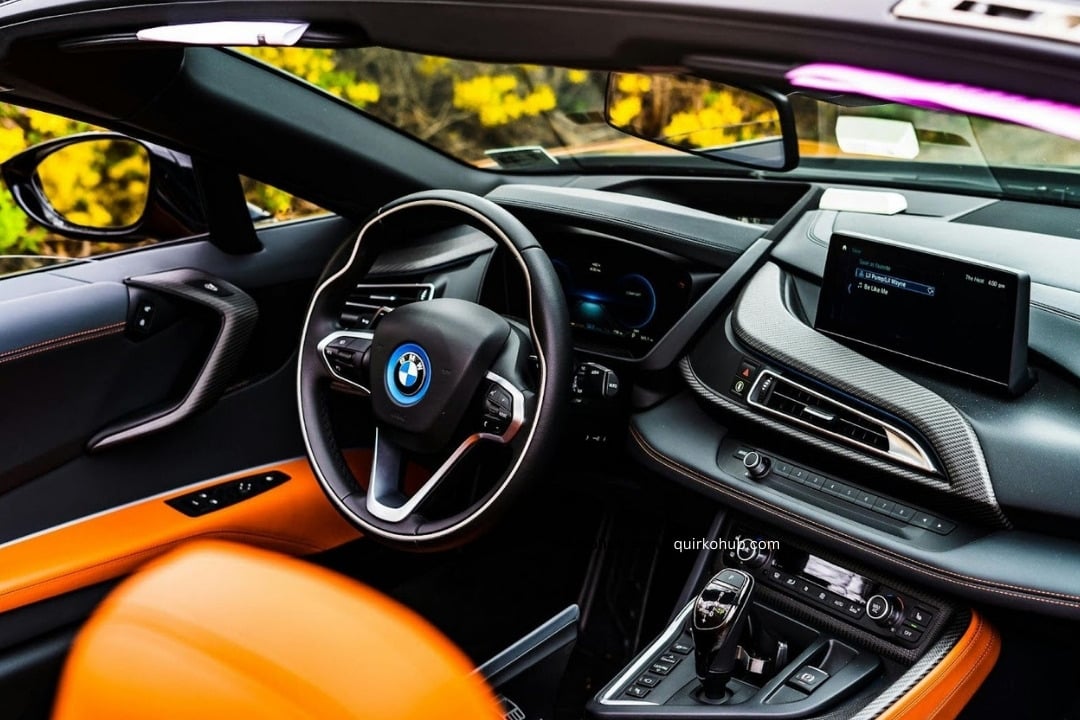
Space That Breathes
Car cabins are compact but also creative. Designers use every inch yet still create a sense of openness. Glass roofs, slim pillars, and clean lines make a small space feel bigger. This is a trick that many industries now use.
In homes, open layouts give the same feeling. In offices, glass walls and modular setups make spaces feel less closed off. The key is not just size. It is how design manages the sense of breath. A space that feels open makes people relax. It also makes them want to stay longer.
Personalization as a Core Value
Car buyers today want choice. They want trims, colors, and upgrades that feel like them. The industry has answered with endless options. Seats, panels, and wheels can all reflect personal style. The car becomes a mirror of its owner.
This trend has spread. Tech devices now come in colors and finishes that match lifestyle. Even furniture brands let people pick fabrics, legs, or shapes. The message is clear. People want things that tell their story. They want design that feels personal, not generic.
Looking Ahead: Shared Inspirations
The line between cars and other design fields is fading. Trends move back and forth. A cabin inspires a home. A home inspires a showroom. Each step borrows and builds.
As the future unfolds, design will keep crossing these borders. Glass, light, and texture will keep shaping not just cars but daily life. The lessons from the road will keep sparking fresh ideas. Where design meets daylight, inspiration never stops.

